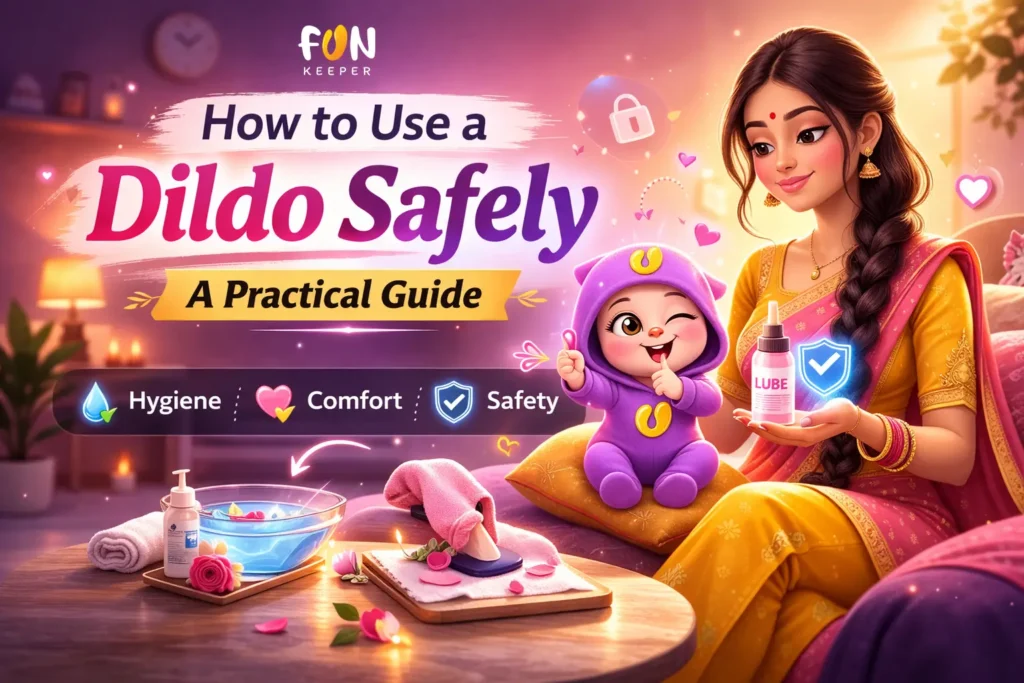

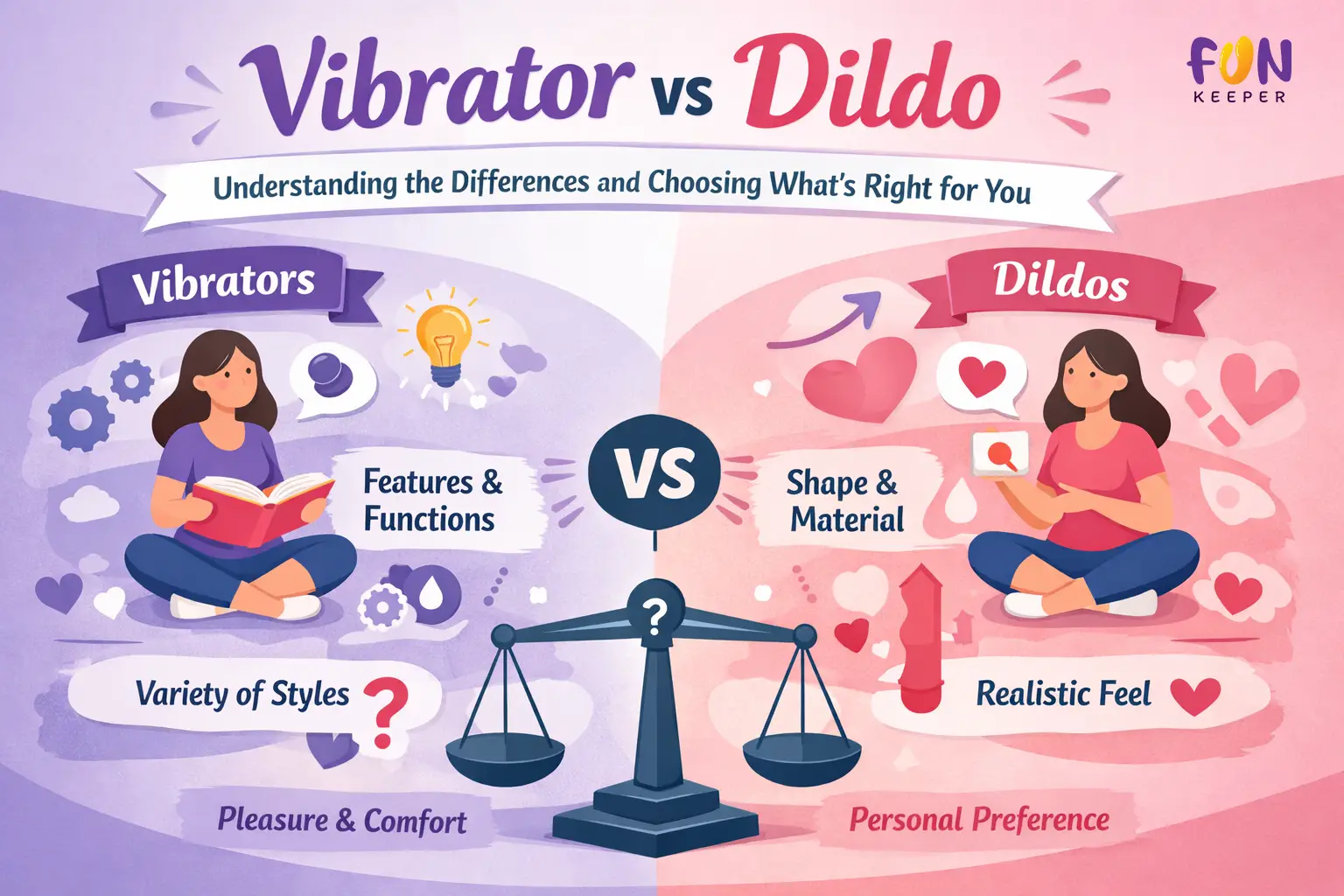
Selecting the right intimate product can feel overwhelming with so many options available. Among the most popular choices are vibrators and dildos. Though both enhance personal wellness and pleasure, they differ in functionality, design, and usage. This guide will help you understand the distinctions between vibrators and dildos, so you can make an informed decision suited to your needs and preferences.
What Is a Vibrator?

A vibrator is a device designed to produce vibrations that stimulate nerve endings and enhance sensation. These vibrations can vary in intensity and patterns, providing customizable experiences. Vibrators come in many shapes and sizes, from small bullet-style devices to larger massagers intended for various external or internal use.
Key Features of Vibrators
- Vibrations: The defining trait, offering rhythmic stimulation.
- Variety of Designs: Target different erogenous zones, including clitoral, G-spot, or dual stimulation models.
- Material: Often made from silicone, ABS plastic, or other body-safe materials.
- Power Source: May be battery-operated or rechargeable via USB.
What Is a Dildo?

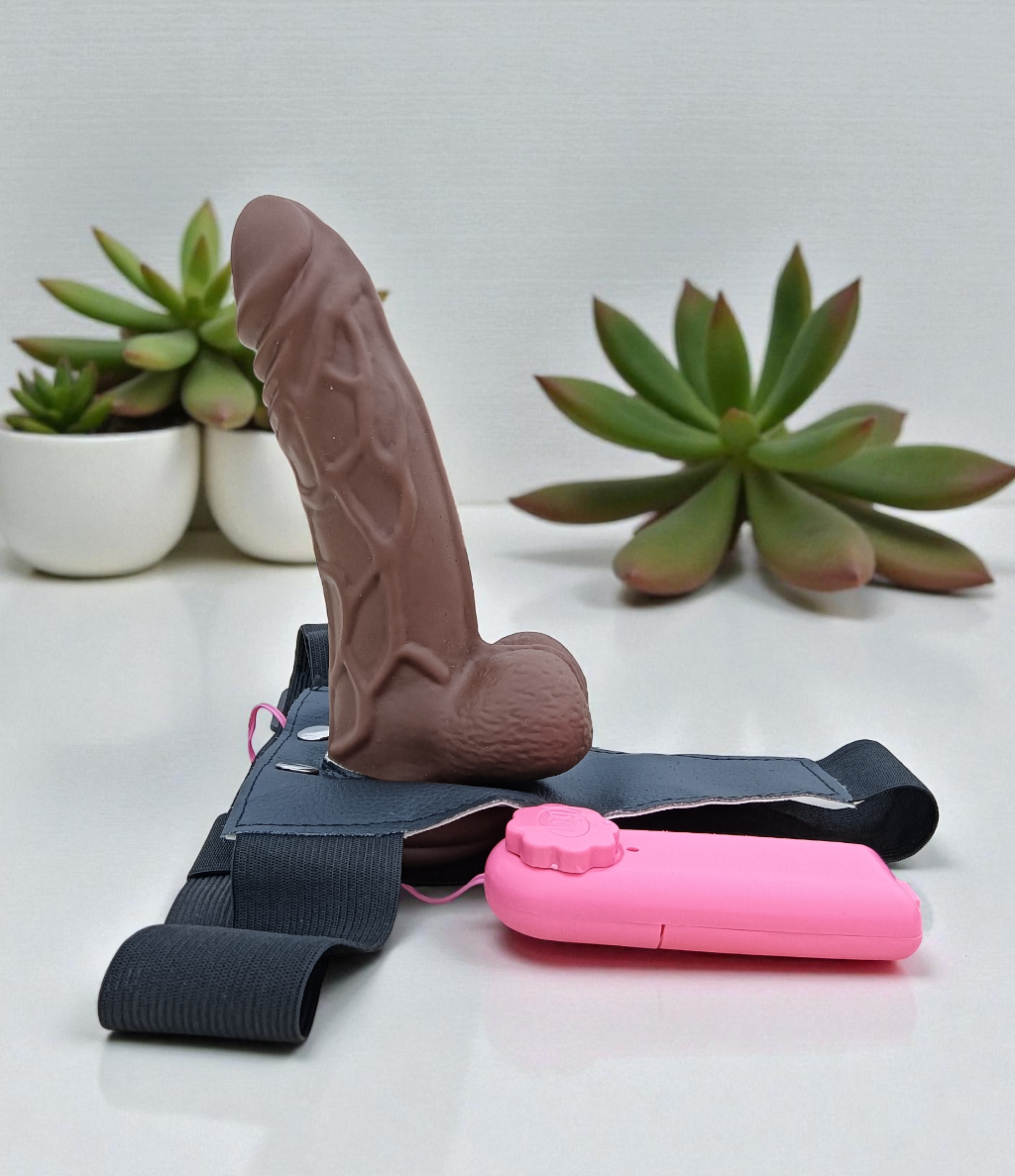
A dildo is generally a non-vibrating object shaped for penetration or external stimulation. Unlike vibrators, dildos do not have electronic components and rely on manual movement for use. They can be realistic or abstract in design and are available in a range of materials and sizes.
Key Features of Dildos
- Shape and Size Options: From lifelike to minimalist.
- Material Variety: Includes silicone, glass, metal, and more.
- Manual Use: No motor, so users control speed and pressure.
- Versatility: Can serve for vaginal or anal play depending on design.
Main Differences Between Vibrators and Dildos
While vibrators and dildos share similarities as sexual wellness products, here are key differences to consider:
1. Type of Stimulation
Vibrators provide buzzing or pulsating sensations through their motors. This dynamic stimulation can target specific areas like the clitoris or G-spot with precision. Dildos lack vibration but offer the satisfaction of manual movement and pressure, enhancing sensations through different rhythms set by the user.
2. Usage Style
Vibrators can be used externally, internally, or both depending on the design. Many models are designed with dual stimulation in mind. Dildos typically focus on penetration and rely on the user’s manual control, promoting more active participation during use.
3. Power and Maintenance
Battery or rechargeable vibrators require charging and sometimes more maintenance, including keeping electrical parts dry. Dildos have a simpler design with no motors, making them easier to clean and more durable over time.
4. Sensory Experience
The buzzing of a vibrator can offer a strong, direct sensation that is slightly different from the natural friction and pressure created by a dildo. Choosing between them depends on whether a user prefers vibration or manual sensations.
Choosing Between a Vibrator and a Dildo
To select the right product for your needs, consider these practical tips:
Evaluate Your Preferences
- Do you prefer external or internal stimulation?
- Are you interested in vibration or manual control?
- Would you like the option of varied vibration patterns?
Consider Your Experience Level
If you are new to intimate products, simpler designs like a smooth dildo or a small bullet vibrator might be easier to start with. For more experienced users, multifunctional vibrators or more anatomically shaped dildos could provide more complex sensations.
Check Material and Safety
Opt for body-safe materials such as medical-grade silicone, glass, or metal. Avoid products with porous surfaces that may harbor bacteria. Always follow cleaning instructions to maintain hygiene.
Set a Budget
Prices vary widely based on features, brand, design, and materials. Decide on a comfortable spending range while prioritizing product safety and quality.
How to Care for Your Vibrator or Dildo
Proper cleaning extends the life of your products and ensures safe use:
- Clean before and after each use with warm water and mild soap or a toy cleaner.
- Check if your device is waterproof; if not, avoid submerging it fully.
- Dry thoroughly before storing in a clean, dry place separate from other items.
- For rechargeable vibrators, avoid overcharging or exposure to extreme temperatures.
FAQ
Q1: Can I use a vibrator and dildo together?
A: Yes, many people enjoy combining these products for enhanced sensations. For example, using a vibrator for clitoral stimulation while using a dildo internally can provide dual pleasure.
Q2: Are vibrators or dildos better for beginners?
A: It depends on personal comfort, but many beginners find small, simple vibrators or slim dildos a gentle introduction. Starting with simpler shapes and lower vibration intensities can help ease into new experiences.
Q3: What materials are safest for these products?
A: Body-safe silicone, borosilicate glass, and stainless steel are recommended. Avoid jelly or porous materials as they can harbor bacteria even after cleaning.
Q4: How do I know which size is right for me?
A: Focus on your comfort and experience level. Many manufacturers provide size guides, but starting smaller and gradually increasing size as desired is a practical approach.
Q5: Can vibrators be used for anal play?
A: Some vibrators are designed specifically with features suitable for safe anal use, such as flared bases. Always choose toys labeled for anal play and use ample lubrication.
Q6: How do I extend battery life for my vibrator?
A: Turn off the device when not in use, avoid overcharging if rechargeable, and follow manufacturer guidelines. Remove batteries if the toy will not be used for an extended period.